
Automotive Lift Requirements for Municipal and Government Fleet Facilities in Southern California
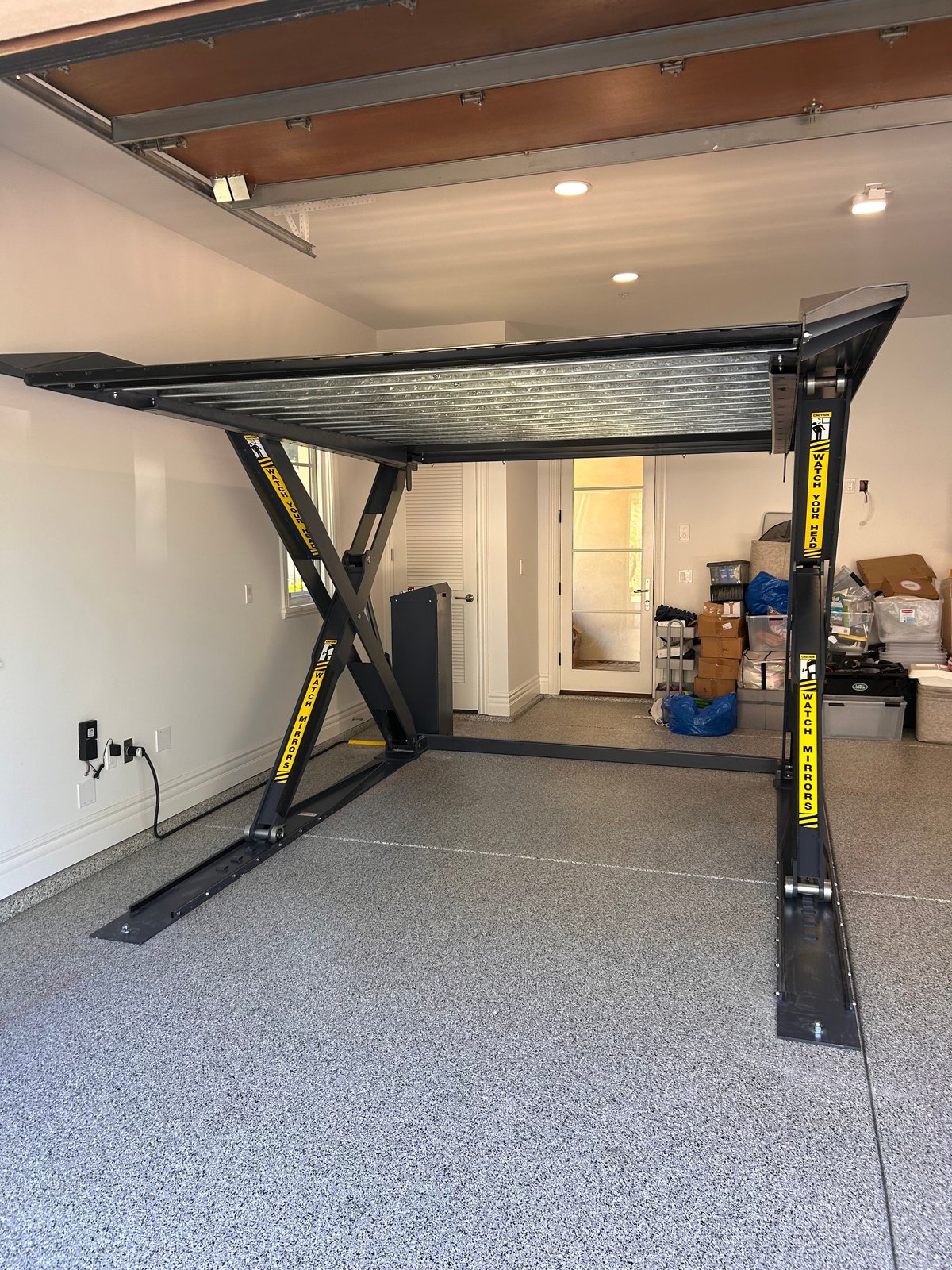
Automotive Lift Requirements for Municipal and Government Fleet Facilities in Southern California
Municipal and government fleet maintenance facilities in Southern California face unique compliance requirements that go beyond standard commercial automotive shops. Whether you’re managing a city motor pool, county fleet maintenance operation, or public works vehicle facility, understanding lift requirements isn’t optional—it’s essential for legal compliance, worker safety, and operational continuity.
This guide covers the specific lift standards that apply to government fleet operations in Southern California, from industry safety certification requirements to Cal/OSHA workplace safety regulations. If you’re responsible for fleet maintenance infrastructure, this information will help you ensure your facility meets all applicable standards.
Why Government Fleet Facilities Face Stricter Requirements
Government fleet maintenance operations are subject to both federal OSHA standards and California’s more stringent Cal/OSHA regulations. Unlike private automotive shops that may escape regulatory scrutiny, public sector facilities are subject to regular inspections, public record requests, and liability standards that make compliance non-negotiable.
Key regulatory frameworks that apply:
- OSHA 29 CFR 1910.22: General requirements for walking-working surfaces, which covers automotive lifts as elevated work platforms
- OSHA 29 CFR 1910.23: Specific requirements for ladders and platforms used with lifts
- Cal/OSHA Title 8: California-specific workplace safety standards that often exceed federal requirements
- ANSI/industry safety ALCTV: The American National Standard for automotive lifts, which OSHA references as the industry safety benchmark
Practical takeaway: Document that your facility follows ANSI/industry safety standards. When OSHA or Cal/OSHA inspectors arrive, they will expect to see evidence that lifts meet these standards and are maintained according to the manufacturer’s specifications plus industry safety guidelines.
Annual industry safety Certification Requirements for Government Facilities
The Automotive Lift Institute (industry safety) sets the industry standard for lift safety inspections. While industry safety certification isn’t technically mandatory under federal OSHA law, it’s the recognized standard that OSHA inspectors use to evaluate lift safety compliance. For government facilities, this effectively makes annual industry safety-certified inspections a requirement.
What the annual inspection must cover:
- Load capacity verification and labeling accuracy
- Structural integrity of columns, arms, and lifting mechanisms
- Safety lock engagement and release function
- Hydraulic system pressure testing and leak inspection
- Lift synchronization (for multi-point lifts)
- Control system function and emergency shut-off
- Anchorage and foundation integrity
California’s Division of Occupational Safety and Health (Cal/OSHA) has cited government facilities for lift-related violations when they cannot produce current inspection records. Annual inspections must be performed by a qualified inspector—either a manufacturer-certified technician or an industry safety-certified inspector.
Practical takeaway: Budget for annual inspections as a line item, not an optional expense. Schedule them at the same time each year and keep inspection reports for at least five years. Cal/OSHA can request documentation going back multiple years during workplace safety investigations.
Lift Capacity Specifications for Heavy Municipal Vehicles
Municipal fleets include vehicles that standard commercial shops rarely service: street sweepers, refuse trucks, fire apparatus, and heavy utility trucks. These vehicles create specific lift capacity and design requirements.
Capacity requirements by vehicle type:
- Standard municipal vehicles (sedans, light trucks, vans): 10,000-14,000 lb capacity two-post or four-post lifts
- Medium-duty trucks (utility trucks, service vehicles): 16,000-20,000 lb capacity symmetric lifts
- Heavy refuse trucks and street sweepers: 30,000-40,000 lb capacity four-post or in-ground lifts
- Fire apparatus: 40,000-60,000 lb capacity specialized heavy-duty lifts
Attempting to lift a vehicle that exceeds the lift’s rated capacity is a direct OSHA violation and creates liability exposure for the municipality. Each lift must display its capacity rating prominently, and facility managers must implement a system that prevents operators from exceeding those ratings.
Practical takeaway: Create a vehicle-to-lift assignment chart that matches each vehicle in your fleet to appropriate lifts by weight and design. Post this chart in the shop and include it in operator training. This prevents both safety violations and equipment damage from improper lift selection.
Cal/OSHA-Specific Requirements for California Facilities
California’s workplace safety regulations often exceed federal OSHA requirements. Government fleet facilities in Southern California must comply with Cal/OSHA Title 8 standards, which include specific provisions that don’t exist in federal regulations.
California-specific requirements include:
- Injury and Illness Prevention Program (IIPP): Must include lift operation and maintenance procedures
- Training documentation: Cal/OSHA requires written records of all lift operator training, including dates, topics covered, and trainer qualifications
- Lockout/Tagout procedures: Must have facility-specific procedures for each lift model, not generic manufacturer procedures
- Quarterly safety inspections: Some Cal/OSHA interpretations require more frequent inspections than annual industry safety certification
Cal/OSHA inspectors have been increasingly active in government facilities following workplace accidents. Unlike private businesses that may receive compliance assistance before citations, government facilities often face immediate fines for violations because they’re expected to model workplace safety best practices.
Practical takeaway: Assign one staff member as the lift safety coordinator. This person should maintain all inspection records, training documentation, and manufacturer manuals in a dedicated binder or digital system that can be produced immediately during an inspection.
ADA Compliance Considerations for Public Facilities
Government fleet maintenance facilities must comply with the Americans with Disabilities Act (ADA), which can affect lift selection and shop layout. While this primarily impacts facility design rather than lift specifications, it creates requirements that private shops don’t face.
ADA considerations affecting lift operations:
- Lift controls must be accessible and operable from a wheelchair-accessible height (typically 15-48 inches above the floor)
- Shop floor pathways around lifts must maintain ADA-compliant width (36 inches minimum)
- Emergency shut-off controls must be accessible to operators with mobility limitations
These requirements don’t come from OSHA or industry safety—they come from Title II of the ADA, which applies to state and local government facilities. Failure to comply creates separate liability exposure from workplace safety violations.
Practical takeaway: When installing new lifts or retrofitting existing facilities, include an ADA accessibility review as part of the planning process. This prevents costly retrofits after installation when you discover controls or pathways don’t meet accessibility standards.
Documentation Requirements for Government Procurement
Government procurement rules create documentation requirements that don’t apply to private sector lift purchases. These requirements exist to ensure public accountability and prevent favoritism in equipment selection.
Required documentation for lift procurement:
- Bid specifications: Must specify industry safety certification, capacity requirements, and applicable ANSI/industry safety standards
- Installation certification: Installer must provide documentation that installation meets manufacturer specifications and ANSI/industry safety ALOIM (installation standard)
- Operator’s manual and parts lists: Must be provided in both printed and digital format
- Warranty documentation: Must specify exactly what’s covered and for how long
- Training certification: Installer must provide proof that facility operators received manufacturer-approved training
Many government facilities use cooperative purchasing agreements or state contracts to streamline lift procurement. These agreements typically already include the required certifications, but facility managers must verify that specifications match their actual needs.
Practical takeaway: Create a procurement checklist specific to automotive lifts that includes all required documentation and certifications. Share this with your purchasing department so they know exactly what to request in bid specifications.
Facility Planning: Long-Term Compliance Infrastructure
Government facilities typically operate on 15-25 year facility planning cycles. Lift infrastructure decisions made today will affect operations for decades, making it essential to plan for compliance requirements that may tighten over time.
Long-term planning considerations:
- Electrical infrastructure: Many jurisdictions are moving toward electric municipal vehicle fleets. Plan electrical capacity for potential EV-specific lift requirements
- Foundation specifications: Government facilities should specify concrete slab thickness and PSI that exceed minimum requirements, ensuring lift anchoring integrity throughout the facility’s lifespan
- Technology upgrades: Newer lifts include electronic controls and diagnostic capabilities. Plan for infrastructure that supports these systems
California regulations have consistently moved toward stricter workplace safety standards. Facilities that plan infrastructure to exceed current minimum requirements position themselves better for future compliance changes.
Practical takeaway: When budgeting for new lifts or facility improvements, specify equipment that meets industry safety standards with a safety margin rather than minimum specifications. This provides buffer room for regulatory changes and extends equipment lifespan.
Need Lift Service for Your Government Fleet Facility?
Elite Auto Lift provides professional automotive lift services to government and municipal facilities throughout San Diego County and Southern California. We understand the compliance requirements that public sector operations face.
Call (760) 666-0066 for a free consultation, or request service online to discuss your facility’s specific requirements.
Need Professional Lift Service?
Elite Auto Lift provides expert automotive lift repair, installation, and inspection services throughout San Diego County and North County. Contact us for a free consultation.